What It’s Like Living In Appleton’s Core Neighborhoods
May 21, 2026
May 21, 2026
Wondering what day-to-day life feels like in the heart of Appleton? If you are thinking about moving closer to downtown, the riverfront, or the neighborhoods around Lawrence University, it helps to know how the area actually lives, not just how it looks on a map. From walkable streets and public spaces to housing styles and local events, here is what you can expect from Appleton’s core neighborhoods. Let’s dive in.
Appleton’s core centers on downtown and the riverfront around College Avenue, Houdini Plaza, Jones Park, Lawrence University, and the Fox River. Rather than spreading out, this area is built around a concentrated one-mile stretch that is easy to walk. That compact layout shapes daily life in a very practical way.
You are close to restaurants, services, parks, and riverfront trails in a relatively small footprint. Downtown Appleton Inc. describes this area as easy to navigate on foot, and that shows up in how people use it. For many residents, the appeal is having more within reach without needing to plan every trip around a long drive.
Appleton’s downtown core also benefits from its role within the larger Fox Cities region. Fox Cities sources describe downtown Appleton as the heart of the region, with specialty retail, dining, and Lawrence University at the east end of downtown. That regional connection gives you a neighborhood feel with access to a broader network of nearby communities.
If you live in the core, you are not isolated to one small district. Appleton is part of a 19-community region along the Fox River and Lake Winnebago, including places like Neenah, Menasha, Kaukauna, Kimberly, Little Chute, Grand Chute, and Buchanan. In everyday terms, that means your home base can feel urban and connected while still keeping the wider Fox Cities close by.
Lawrence University has a visible influence on the area around downtown. The campus sits in the heart of downtown and brings a steady student and arts presence to the neighborhood. Fox Cities sources note that the university enrolls about 1,500 students from nearly every state and 40 countries.
That presence helps shape the feel of nearby blocks. You may notice a mix of academic activity, arts programming, and a generally lively atmosphere near the east side of downtown. For buyers relocating to Appleton, this is one of the details that helps the core feel active and layered rather than one-note.
For a compact downtown, Appleton offers substantial parking. According to Downtown Appleton Inc., there are more than 3,600 parking spaces available in the area. Metered street parking is $1 per hour, and parking is free after 6 p.m. on weekdays and all day on Sundays and holidays.
There are also three color-coded ramps for longer stays. If you are used to downtown areas where parking feels like a constant obstacle, Appleton’s setup may come as a pleasant surprise. It supports the convenience of core living without making every outing feel complicated.
Valley Transit serves the Downtown Appleton Transit Center at 100 E. Washington Street. All fixed routes are accessible, and the VT Connector extends service across Appleton and nearby Fox Cities communities, including Neenah, Menasha, Kaukauna, Kimberly, Little Chute, Fox Crossing, Grand Chute, and Buchanan.
That matters if you want options beyond driving. While your exact routine will depend on where you work and what errands you run, the combination of walkability, transit access, and parking flexibility gives the core a more connected feel than many suburban areas.
One of the biggest strengths of Appleton’s core neighborhoods is the variety of shared public spaces. Instead of relying on one signature park, the area offers a mix of plazas, neighborhood parks, and riverfront walking routes. That creates more ways to spend time outside close to home.
Houdini Plaza acts as a central gathering place for concerts, festivals, public art, and other community events. It is one of the spaces that gives downtown its social rhythm. If you enjoy being near activity, this plaza is a major part of the core experience.
Jones Park is another major anchor in the area. The 5.8-acre park includes ADA-accessible playground equipment, a hockey rink, an ice rink, a lighted walkway, a picnic pavilion, and a stage that hosts the Heid Music Summer Concert Series. That mix of features makes it useful across seasons.
For residents, this kind of space adds flexibility to everyday life. You can enjoy a walk, attend an event, or spend time outdoors without leaving the neighborhood. It helps downtown living feel more balanced and livable.
Appleton’s core is also easy to explore on foot. The Fox Trot Trail is a 2.2-mile, 16-stop self-guided walk that starts at Houdini Plaza, heads toward Lawrence University, passes the former industrial flats, and ends at Jones Park. It reflects the area’s blend of local history, public space, and walkability.
The city map also identifies nearby open spaces and parks such as City Park, Erb Park and Pool, Memorial Park, and the downtown riverfront trail network. If you enjoy neighborhoods where walking is part of the lifestyle, this is one of the clearest advantages of Appleton’s core.
Daily life in the core often revolves around easy access to food, coffee, and local gathering spots. Downtown Appleton Inc. says downtown has more than 80 restaurants and unique retail boutiques. The mix includes coffeehouses, cafes, bars, ramen, casual dining, and other everyday staples.
That variety supports different routines. You might grab coffee in the morning, meet friends for dinner, or stop into a neighborhood spot on the way home. For many people, having these options nearby is part of what makes core living feel convenient and enjoyable.
Downtown Appleton’s calendar stays busy throughout the year. Official listings include the Downtown Appleton Farm Market on Saturdays from June through October, Light the Night Market, Mile of Music, Appleton’s Octoberfest and License to Cruise, the Flag Day Parade, the Christmas Parade, and Light Up Appleton.
This creates a downtown that changes with the seasons. Some residents love the added energy and built-in activities, while others simply enjoy having events nearby when they want them. Either way, the event schedule is a meaningful part of the neighborhood experience.
Among downtown events, Mile of Music stands out. Fox Cities CVB describes it as a free, all-original festival built around about 200 artists, 40 venues, and a one-mile stretch of College Avenue, with nearly 700 shows over four days. That is a major expression of what makes the area distinct.
If you are considering a home in or near the core, this gives you a sense of the neighborhood’s personality. Appleton’s downtown is not just a place to live near. It is also a place where public life is visible, active, and woven into the streetscape.
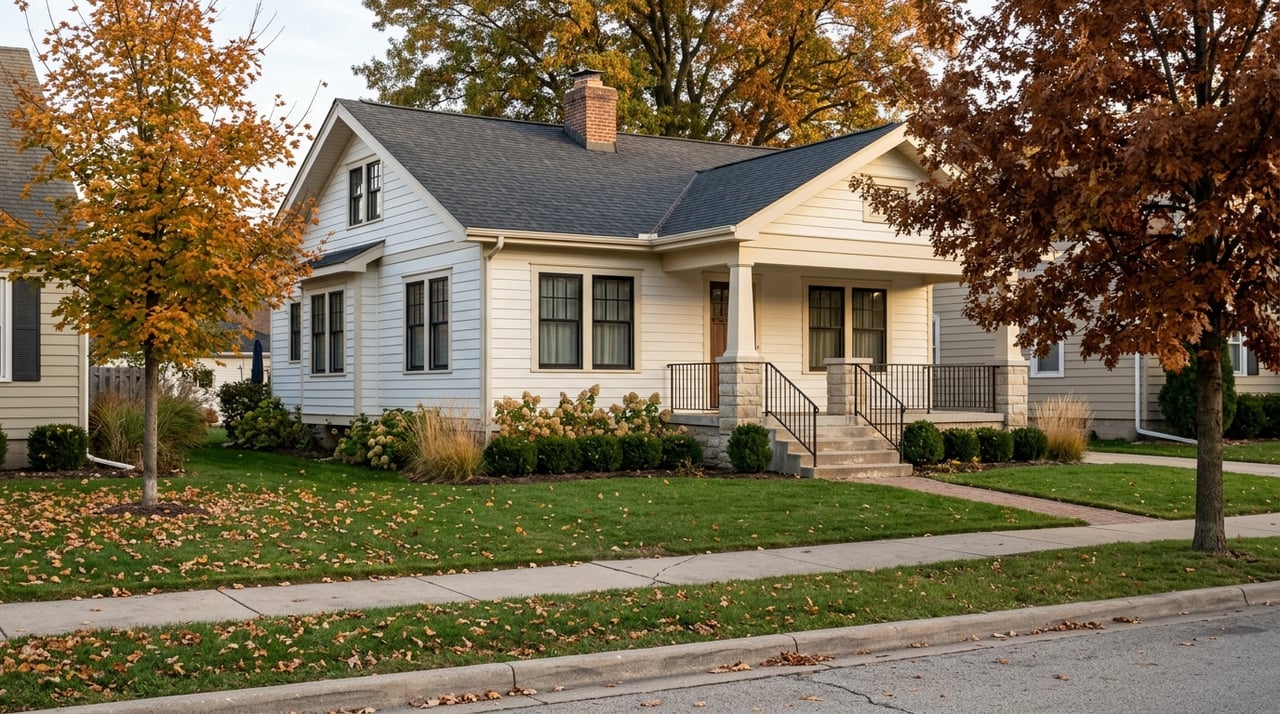
Housing in Appleton’s core is not one-size-fits-all. The area includes historic districts, adaptive-reuse apartments, loft-style living, riverfront residences, and newer mixed-use or infill buildings. This gives buyers and renters a wider range of housing types than you may find in more uniform neighborhoods.
Appleton’s historic-preservation map identifies districts such as College Avenue, City Park, Fox River Paper Company, Lock 1-3, Lock 4, and West Prospect Avenue. At the same time, downtown housing listings include options like Gabriel Lofts, RiverHeath, Riverwalk Place, Oneida Heights, Historic Fox River Mills Apartments, Crescent Lofts, Block 800, Avant Apartments, 423 on the Ave, the Residences at Zuelke, Park Central, Urbane 115, and 320 East.
This mix gives the core a layered character. Some properties reflect late-19th- and early-20th-century development patterns, while others bring newer layouts and updated building styles. For you as a buyer, that means your choice may come down less to whether you want to live downtown and more to what kind of living experience you want within downtown.
You may prefer historic character, river views, loft features, or a newer low-maintenance setup. Appleton’s core can offer each of those in different pockets. That variety is one reason the area appeals to first-time buyers, relocating households, downsizers, and buyers who want a more connected lifestyle.
Appleton’s core neighborhoods can be a strong fit if you value proximity and activity. If you want to walk to dining, enjoy public events, spend time in parks, or stay connected to the larger Fox Cities region, the area offers a lot in a compact space. It can also appeal if you want housing options beyond a typical suburban subdivision pattern.
At the same time, the best fit depends on your routine. Some buyers love having an active downtown environment nearby, while others prefer quieter residential areas farther out. The key is matching your daily habits and priorities with the part of Appleton that supports them best.
When you are comparing Appleton neighborhoods, small differences can shape your experience more than you expect. A block near riverfront trails may feel very different from one near a busier event area, and one building style may suit your goals better than another. That is why neighborhood guidance matters just as much as square footage or price.
If you are buying or selling in Appleton, having a team that understands the Fox Cities can help you narrow your options and move forward with confidence. The right guidance can make it easier to compare lifestyle, location, and long-term value in a way that fits your goals.
If you want help deciding whether Appleton’s core neighborhoods are the right fit for your move, reach out to Kelly Davies Homes Team, LLC for local guidance and hands-on support.
Here at Kelly Davies Homes Team, we are dedicated to helping you find your dream home and assisting with any selling needs you may have. Contact us today to start your home searching journey!