
How To Prepare And Price Your Appleton Home To Stand Out
May 28, 2026
May 28, 2026
Wondering why some Appleton homes get strong interest right away while others sit and need a price cut? In a market where buyers are still active but more payment-conscious, the homes that stand out usually do two things well: they show beautifully and they launch at the right price. If you are getting ready to sell, this guide will walk you through how to prepare your home, price it with confidence, and avoid the mistakes that can cost you time and leverage. Let’s dive in.
Appleton remains a competitive market, but it is not a market where you can ignore the details. Recent market data showed median days on market ranging from 37 to 45 days, sale-to-list ratios around 100% to 100.6%, and nearly half of homes selling above list price on one platform.
That sounds encouraging, and it is. But it also means buyers are paying attention to value. With the 30-year fixed mortgage rate at 6.51% for the week ending May 21, 2026, many buyers are more sensitive to monthly payment, condition, and repair costs than they were in a lower-rate environment.
In other words, a well-prepared and well-priced home can still perform strongly in Appleton, but an overpriced or poorly presented listing can lose momentum quickly.
The goal is not to make your home look fancy. The goal is to make it feel bright, cared for, and easy for buyers to picture themselves in.
According to the 2025 NAR staging report, 83% of buyers’ agents said staging made it easier for buyers to visualize a property as their future home. The same report found that 49% of sellers’ agents said staging reduced time on market.
For most Appleton sellers, the highest-impact prep steps are practical and straightforward:
These steps matter because buyers usually form an opinion fast, both online and in person. If your home feels crowded, dark, or neglected, buyers may assume bigger issues are hiding behind the small ones.
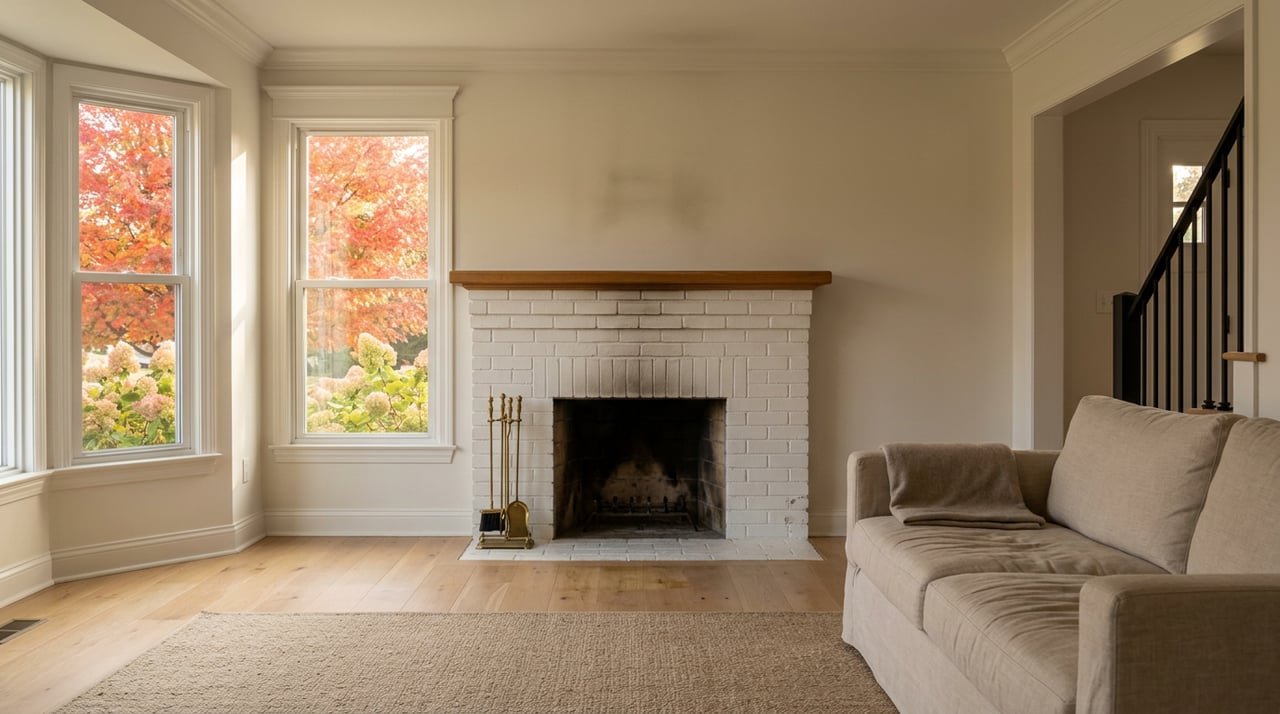
If you do not want to stage every room, focus your energy where it counts most. NAR identified the living room, primary bedroom, and kitchen as the most important rooms to stage.
That does not mean a full redesign is required. In many homes, simple changes like removing extra furniture, adding better lighting, and using neutral decor can make those spaces feel larger and more inviting.
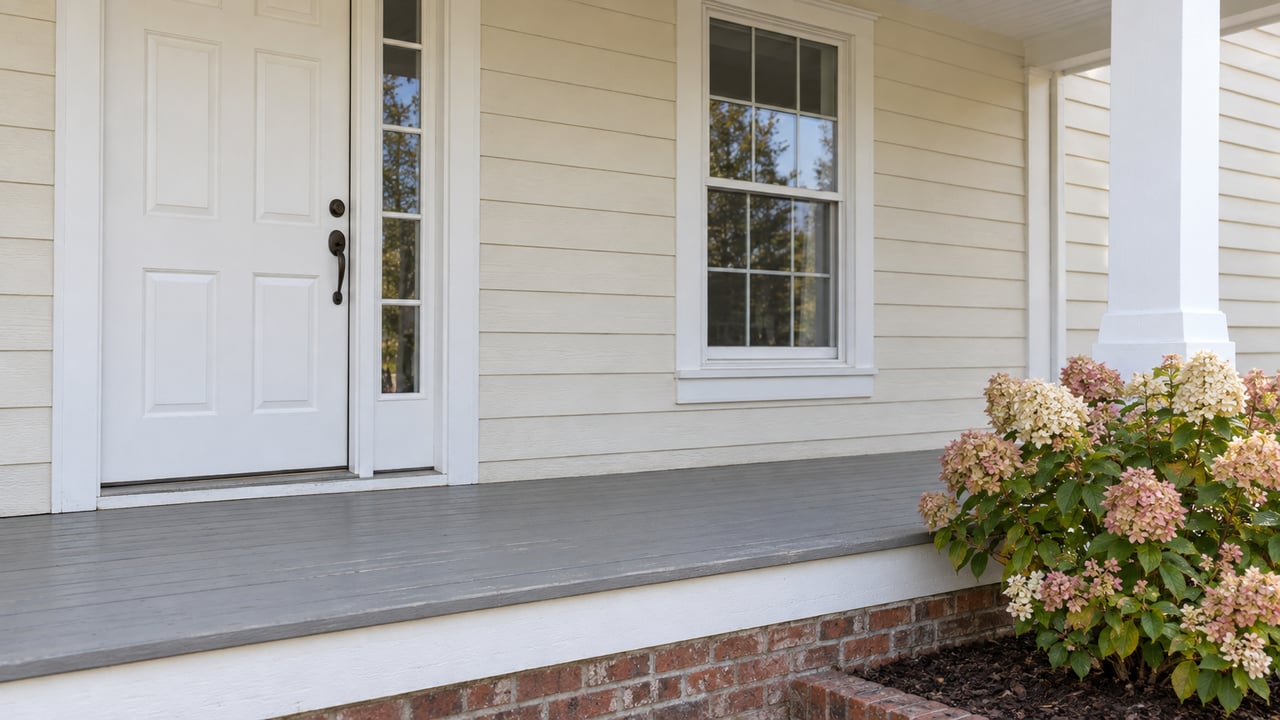
Your front entrance is the first showing, even before a buyer opens the door. Clean walkways, trimmed landscaping, and a tidy entry can help create a stronger first impression.
This matters in listing photos too. NAR guidance notes that improvements like landscaping, paint, and front-entry cleanup can help a home show better online and in person.
Not every project will pay off before you list. The smart approach is to handle the issues that buyers are most likely to notice, question, or use in negotiations.
A pre-sale inspection is optional, but it can help you spot concerns before your home hits the market. NAR notes that a pre-listing inspection can identify issues you may want to repair in advance and can help you prepare for what a buyer may raise during their own inspection.
If something major is aging or clearly worn, it is worth getting pricing for it, even if you do not plan to replace it before listing. NAR specifically points to items like roofing, HVAC systems, and appliances as examples sellers may want to cost out ahead of time.
That information can help you make a better pricing decision. It can also help you respond more confidently if a buyer asks for repairs or credits later.
If you are planning larger pre-listing work in Appleton, do not skip the permit question. The City of Appleton states that permitted work must comply with both city and Wisconsin building codes, and the building permit does not cover plumbing, electrical, or heating installations.
That is especially important for projects like:
Properly documented work can reduce questions during the transaction. If a buyer asks what was done and whether it was completed correctly, having records matters.
If your home was built before 1978, lead disclosure rules may apply. Sellers of most pre-1978 homes must disclose known lead-based paint or lead hazards before contract signing and provide the required pamphlet.
If you are renovating an older home before listing, Wisconsin DHS says renovation work that disturbs lead paint should follow lead-safe practices. This is one more reason to plan repairs carefully instead of rushing through cosmetic work right before launch.
One of the biggest pricing mistakes sellers make is relying too much on a citywide number. Appleton is not one flat market.
Recent Realtor.com data showed a wide range in median listing prices by ZIP code, from $269,900 in 54911 to $482,450 in 54913. That spread is a clear reminder that your home should be priced based on recent comparable sales in your specific area and price band, not just on Appleton’s overall average.
Online home value tools can be useful as a starting point, but they are not a pricing strategy. Realtor.com, Zillow, and Redfin each note that their automated estimates are starting points and not substitutes for an in-person evaluation or formal appraisal.
That matters because algorithms cannot fully account for things like:
A local comparative market analysis gives you a much more useful picture of what buyers are likely to pay right now.
Your first days on the market are often your best chance to create urgency. If your home launches clean, bright, and priced in line with nearby competition, you are more likely to draw stronger showing activity and better offers.
Appleton market data supports that strategy. Redfin reported that 48.5% of homes sold above list price and homes averaged 1% above list over the prior three months, while 7.6% had price drops. Realtor.com reported that homes sold for about asking on average in March 2026.
The takeaway is simple: buyers will still reward the right home at the right price, but they are less likely to stretch for a home that feels overpriced or needs obvious work.
Higher mortgage rates affect how buyers think. When rates are elevated, buyers often focus more on total monthly payment and less on the headline list price alone.
That means your pricing should reflect:
Realtor.com’s April 2026 seller survey noted that many would-be sellers expected to reduce price or offer incentives. In many cases, it is smarter to price strategically from the start than to aim high and adjust later.
Most buyers will see your home online before they ever schedule a showing. That makes your listing launch a marketing moment, not just a paperwork moment.
In NAR’s 2025 staging report, 73% of buyers’ agents said photos were highly important. Videos and virtual tours also ranked as important, which reinforces how much presentation shapes first impressions.
Professional photos tend to perform best when the home is already clean, open, and visually calm. Even beautiful photography cannot fully fix cluttered countertops, overcrowded rooms, or dim lighting.
If your home will be vacant or partially vacant, virtual staging may be worth discussing. NAR notes that self-staging, professional staging, and virtual staging can all be useful, depending on the property and situation.
Price is only one part of an offer. Depending on how your home is positioned, you could see anything from a standard financed offer with contingencies to a more aggressive offer with fewer conditions.
NAR notes that buyers may conduct inspections as a contingency, and Redfin’s Appleton market page says many homes receive multiple offers and some waive contingencies. You cannot control every offer term, but strong prep and realistic pricing can improve the quality of the offers you receive.
That is another reason to get ahead of repairs, documentation, and presentation. The more confidence your home inspires, the easier it can be for buyers to move forward.
If you are hoping for a spring or early-summer sale, start sooner than you think. Realtor.com’s 2026 best-time-to-sell report found that 53% of sellers took one month or less to get market-ready, but that still means prep work needs to begin well before photos and MLS launch.
A smooth timeline usually includes decluttering, minor repairs, cleaning, staging decisions, measurements, and photography planning. Rushing these steps can lead to shortcuts that weaken your launch.
Wisconsin sellers should also be prepared for disclosure requirements. The Wisconsin REALTORS\0ae Association explains that seller disclosure law generally applies to residential real estate, including single-family homes, condos, and one-to-four-unit properties.
The same source states that sellers must provide a completed Real Estate Condition Report within 10 days after acceptance, and buyers may have rescission rights if that report is late or reveals certain defects. There are exceptions in some cases, but this is a good example of why organized prep matters.
When you know your home’s condition, have documentation ready, and price with the facts in mind, the entire process tends to feel more manageable.
If you want your Appleton home to stand out, the formula is usually not complicated. Prepare the home buyers actually want to tour, price it for the market you are really in, and launch with a polished presentation from day one. If you want experienced local guidance on home valuation, staging, marketing, and next steps, connect with Kelly Davies Homes Team, LLC.






Here at Kelly Davies Homes Team, we are dedicated to helping you find your dream home and assisting with any selling needs you may have. Contact us today to start your home searching journey!